Symptoms Excruciating pain Difficulty in walking and standing for extended periods Worst pain in the morning upon rising and stepping out of bed Pain decreases with movement but can recur after long periods of standing or sitting Etiology Poorly understood cause Most common cause of heel pain Tension and stress on the fascia can cause small tears and inflammation Wear and tear from walking or running can result in degeneration of the fascia Heel spurs are a consequence, not the cause, of plantar fasciitis Risk Factors Age (between 40 and 60) High-impact exercises Flat feet or high arches Obesity Occupations that require prolonged standing or walking on hard surfaces Complications Ignoring plantar fasciitis can lead to chronic heel pain and affect overall posture Modifying walking or standing patterns due to pain can increase the risk of injury in other areas of the body Treatment Conservative treatment options are effective in 90% of cases Heel cups, night splints, orthotics, and shoe modifications OTC nonsteroidal anti-inflammatory medications Physical therapy and stretching exercises Platelet Rich Plasma (PRP) injections Extracorporeal Shockwave Therapy (ESWT) , a proven treatment with multiple clinical trials and meta-analyses showing its efficacy Conclusion ESWT has been shown to effectively treat plantar fasciitis and is also used in musculoskeletal medicine for various conditions

By binding copper ions, GHK-Cu participates in numerous biological processes related to extracellular matrix maintenance, cellular communication, wound repair and inflammatory regulation
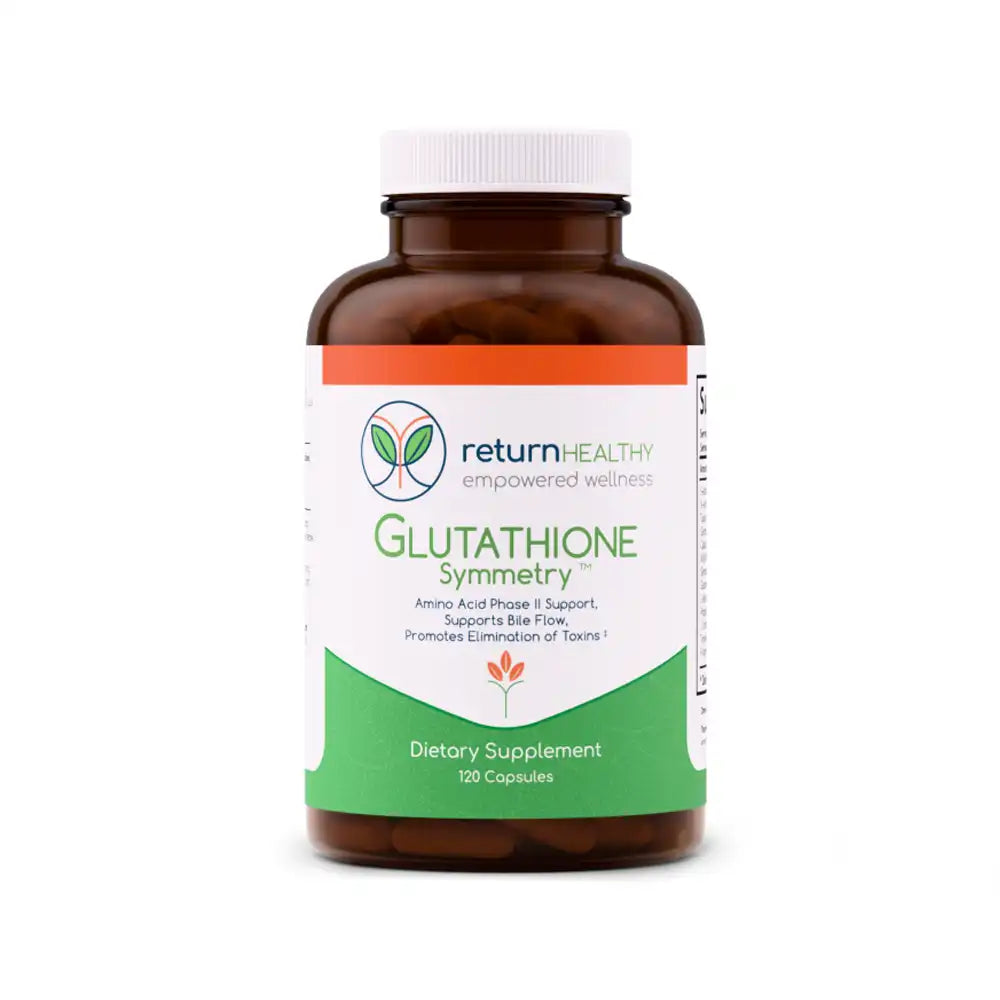
Drinking glutathione at night is a fantastic strategy if you want to support your body's natural detoxification and repair cycles during sleep
National Harbor, MD, US
Telomeres are repetitive nucleotide sequences located at the ends of chromosomes that function as protective structures, maintaining chromosomal stability during successive cellular divisions
Global, in vivo, and site-specific phosphorylation dynamics in signaling networks